

The Life-Saving Skills Everyone Should Know: Top 5 Most Searched First Aid Topics
Accidents can happen anywhere—at home, at work, or out and about. Knowing how to respond in an emergency can mean the difference between life and death. That’s why first aid and CPR skills are among the most searched topics online.
People want to know: How do I perform CPR? What do I do if someone is choking? How do I stop severe bleeding?
Did you know t that around 80% of cardiac arrests happen at home. This means you are far more likely to perform
CPR on a family member, friend, or coworker rather than a stranger.
In this blog, we’ll cover the five most searched first aid topics and share essential tips that everyone should know. Whether you’re a parent, a workplace safety officer, or just someone who wants to be prepared, this guide will help you feel more confident in handling emergencies.
1. CPR – Every second counts
CPR (Cardiopulmonary Resuscitation) is one of the most critical skills in first aid. When someone’s heart stops beating, CPR helps circulate oxygen-rich blood to the brain until professional help arrives.
How to Perform CPR (Adults & Teens)
In an emergency, follow the DRSABCD action plan to assess the situation and provide life-saving care.
1. D – Danger Check for any dangers to yourself, the casualty, and bystanders (e.g., traffic, fire, electricity). Only proceed if it is safe to do so.
2. R – Response Tap the person on the shoulder and ask loudly, “Can you hear me?” “Open your eyes!” If there’s no response, the person is unresponsive, and you need to act quickly.
3. S – Send for Help Call 000 (or ask someone else to call) and explain the situation. If available, ask someone to bring an AED (Automated External Defibrillator).
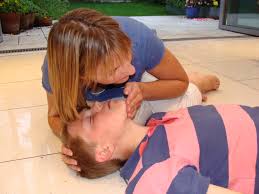
4. A – Airway Check the airway by tilting the head back and lifting the chin. If there is anything blocking the airway (e.g., food, vomit), roll the person onto their side and clear it with your fingers.
5. B – Breathing Look, listen, and feel for breathing for no more than 10 seconds. If the person is not breathing normally (gasping or silent), begin CPR immediately.
6. C – CPR (Compressions & Breaths) Compressions: Place the heel of one hand in the centre of the chest, place your other hand on top, and push down 1/3 of the chest depth. Give 30 compressions at a rate of 100-120 per minute. Breaths: Tilt the head back, pinch the nose, give 2 rescue breaths, watching for the chest to rise. Repeat 30 compressions, 2 breaths until help arrives or the person starts breathing.
7. D – Defibrillation (AED) If an AED is available, turn it on and follow the voice prompts. Attach the electrode pads to the person’s chest and ensure no one is touching them before delivering a shock (if advised).
❤️ Remember: Even if you’re not confident in giving breaths, hands-only CPR (continuous chest compressions) is still highly effective in keeping the person alive until paramedics arrive!
✔️ Did you know? Hands-only CPR can double or triple survival rates if performed immediately after cardiac arrest! Remember any attempt is better than no attempt at all.
🌟 Download: Free downloadable DRSABCD poster for your fridge at home or workplace noticeboard
2. Using an Automated External Defibrillator (AED)
AEDs are portable devices that shock the heart back into rhythm. They’re found in workplaces, shopping centres, and public spaces—but would you know how to use one?
How to Use an AED
1. Turn it on – AEDs give voice instructions, so just follow the prompts.
2. Expose the chest – Remove clothing and ensure the chest is dry.
3. Attach the pads – Place one pad on the upper right chest and the other on the lower left side.
4. Let the AED analyse – It will assess the heart rhythm and decide if a shock is needed.
5. Deliver the shock (if prompted) – Make sure no one is touching the patient before pressing the button.
6. Resume CPR – Keep doing chest compressions until help arrives.
❤️ Remember: The ‘Send for Help’ step is where you send for resources such as more people to help, a first aid kit and finding a Defibrillator. Setting up the Defib can take some time, unpack and place the pads on the casualty, remember the defib will not shock if a shock is not required, you can’t hurt them 😊
💡 Fact: AEDs are safe to use on adults and children over one year old. If a child-specific pad isn’t available, you can use standard adult pads, place one on the front and one on the back of a child or smaller casualty.

3. Choking – What to Do When Someone Can’t Breathe
Choking is a serious and time-sensitive emergency. If the airway is completely blocked, the person can lose consciousness in minutes. The Australian Resuscitation Council (ARC) provides clear guidelines on how to respond.
How to Help a Choking Adult or Child (Over 1 Year Old)
1. Encourage them to cough – If they are coughing forcefully, let them try to clear the obstruction on their own.
2. Give back blows – If coughing doesn’t work and they are no longer breathing, stand to the side and slightly behind them. Support their chest with one hand and give up to 5 sharp blows between the shoulder blades using the heel of your hand.
3. Perform chest thrusts – If back blows don’t work, give up to 5 chest thrusts. Place your hands in the same position as for CPR (centre of the chest) and push firmly, but slower and sharper than CPR compressions.
4. Call 000 if the blockage remains – Continue alternating 5 back blows and 5 chest thrusts until the object is dislodged or the person becomes unresponsive, you will then start CPR.
❤️ Remember: If they are coughing they are breathing! Allow them time to clear the obstruction themselves, keep smiling (remain calm!) encourage them to keep coughing but be prepared to act.
💡 Do NOT use abdominal thrusts (Heimlich manoeuvre) in Australia! They are not recommended due to the risk of internal injury. Chest thrusts are safer and just as effective.
What to Do If a Baby (Under 1 Year Old) Is Choking
1. Lay the baby face down along your forearm, supporting their head.
2. Give up to 5 back blows – Use the heel of your hand between their shoulder blades.
3. Turn them over and give up to 5 chest thrusts – Place two fingers in the centre of their chest (just below the nipple line) and push firmly.
4. Repeat as needed and call 000 if the obstruction is not cleared.
❤️ Remember: Infants will test their gag reflex; it may sound like they are choking but remember if they are coughing they are breathing.
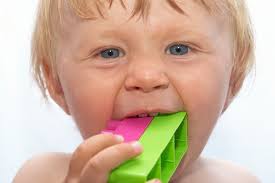
💡 Fact: A common cause of choking in children is small objects like coins, toys, and food items such as grapes and popcorn. Always supervise young children while eating.
🌟 Download: Free downloadable choking poster for home or the workplace
4. First Aid for Burns and Scalds
Burns are one of the most common household injuries, whether from hot drinks, cooking mishaps, or even sunburn.
What to Do for Burns
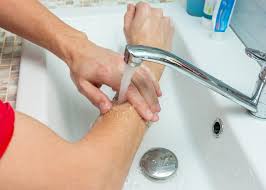
1. Cool the burn – Run cool (not ice-cold) water over it for at least 20 minutes.
2. Remove tight clothing/jewellery – Swelling can happen fast.
3. Cover the burn – Use a clean, non-stick dressing or cling wrap (but not over the face).
4. Do NOT use butter, toothpaste, or creams – These can trap heat and worsen the burn.
5. Seek medical help if the burn is deep, larger than a 20-cent piece, or affects sensitive areas like the face or hands.
💡 Fact: In Australia, hot beverages are the number one cause of scalds in children under five! Always keep cups out of reach.
🌟 Download: Free downloadable Burns poster for home or the workplace.
5. Controlling Bleeding and Wound Care
Whether it’s a paper cut or a deep gash, proper wound care can prevent infection and save a life.
How to Stop Bleeding
1. Apply pressure – Use a clean cloth or bandage and press firmly.
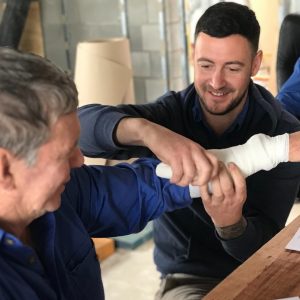
2. Apply a bandage – Secure with a sterile dressing.
3. Do NOT remove embedded objects – Instead, pad around them and get medical help.
4. Seek help – If bleeding doesn’t stop after 10 minutes, call 000.
💡 Did you know? The average adult has about 5 litres of blood, and losing just 1.5 litres can cause shock. Quick action is critical.
🌟 Download: Free downloadable Burns poster for home or the workplace.
Workplace First Aid – Legal Requirements
Under Australian workplace health and safety laws, businesses must have adequate first aid training, supplies, and emergency procedures in place. Employers are required to:
– Ensure sufficient number trained first aid staff based on ratio requirements. Remember to take into account people may be off site, on holidays or out getting a coffee. Better to be over than under.
– Have a fully stocked first aid kit that is easily accessible. Remember to check and top up your kit regularly, a good time is after an incident replace what was used or once a month do a check.
– Conduct regular first aid training to stay compliant and up to date.
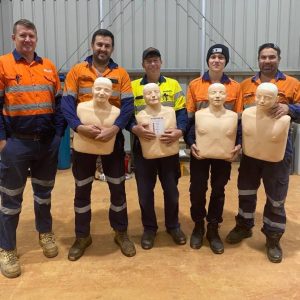
-For businesses: We offer onsite first aid training that’s fast, fun, and relevant to your workplace. Get a quote today, we guarantee fast, fun and relevant training!
🌟 Download: Learn more Worksafe Act Code of Practice, or call us for a free consultation.
Why First Aid Training is a Must-Have Skill
Emergencies can happen anytime, anywhere. Learning first aid means you’ll be prepared to help a colleague, friend, or family member when they need it most. Whether it’s CPR, treating burns, or stopping bleeding, knowing what to do could save a life.
Ready to learn first aid?
We offer public CPR and First Aid courses in Ipswich and onsite workplace training in South East Queensland tailored to your team.
Don’t forget to download our FREE Posters for the Top 5 Most Searched First Aid Topics