

Youth Mental Health Crisis: Why Action is Critical Now
As a mum and a Wellbeing Coach of 19 years, I’ve heard countless stories about mental health struggles, physical safety concerns, relationship challenges, and more. Some of these stories have truly broken my heart. Education, wellbeing, and connection are values I hold close, and if I could, I would shout from the rooftops about the urgent need to address the youth mental health crisis. We are missing pivotal pieces of the puzzle when it comes to helping young people develop emotional intelligence and resilience.
Understanding the Root Causes
The truth is, we can’t just manage symptoms—we need to uncover and address the root causes of mental health struggles. When we only treat the symptoms, the real issue remains unresolved. Consider this: Why is a young person experiencing behavioral problems? What’s driving their anxiety or depression? If we don’t get to the source, we’re just putting a band-aid on the issue.
For example, prescribing medication can help manage anxiety symptoms, but if the underlying causes—such as chronic stress, trauma, or unhealthy coping mechanisms—aren’t addressed through therapy or lifestyle changes, the anxiety may persist or return. Medication has its place, but it should be part of a holistic approach, not the sole solution.
The Mind-Body Connection: A Missing Piece in Mental Health Care
Through my studies to become a Trauma Healing Practitioner over the past two years, I’ve come to believe that somatic work—the connection between mind and body—is the missing piece in mental health care. We underestimate the power of the vagus nerve and the importance of vagal tone in regulating our nervous system.
Did you know that 80% of communication between the gut and brain flows from the gut to the brain, while only 20% moves the other way? If we improve our gut health and overall physical wellbeing, our mental health improves, too. When we stop viewing the mind and body as separate entities and instead treat the body as a whole, we unlock new levels of healing and self-awareness.
Our bodies are incredibly intelligent—they constantly communicate their needs. Unfortunately, we often ignore these warning signals. The longer we suppress them, the louder they become. A mild discomfort turns into chronic pain, which, if neglected, may lead to serious illness. Break down the word “disease”—it literally means “dis-ease,” a body that is not at ease.
Teaching Young People to Process Stress
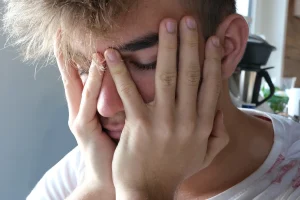
One of the biggest things we’ve forgotten is how to move stress through our bodies instead of storing it. Try this: Stand up, shake out your arms and legs, take a deep breath, and exhale with a sigh. This simple act mimics how animals release stress in the wild and helps reset your nervous system. Encouraging young people to engage in movement—whether it’s dancing, stretching, or even jumping—can be a game-changer in processing and releasing tension. Have you ever watched an animal in the wild after it experiences stress? Once the danger passes, it will shake, bounce, or engage in some kind of physical movement to release the adrenaline and cortisol from its system. Humans, on the other hand, tend to bottle up stress rather than process and release it. This is where the problem begins.
In our deep, instinctive need to nurture and protect our children from pain, we have unknowingly taken away their ability to self-soothe and self-regulate. In our quick response to comfort them, they no longer develop the skills to do it for themselves. Instead of looking inward for regulation, they seek external sources of relief—often turning to unhealthy coping mechanisms that only perpetuate the problem.
We must return to simple yet effective practices that help release stored tension and regulate our nervous systems. Something as small as massaging the ears, applying pressure to key points, taking a deep sigh, or focusing on a nourishing breath are quick and accessible strategies we can use in the moment to support self-regulation.
I hesitate to use the word “empower”—but we must give power back to young people and adults alike. Learning how to assist our bodies in healing is a skill we should all cultivate. Building a toolkit of somatic practices and micro self-care strategies can help us self-regulate, manage stress, and ultimately, improve our mental health.
Creating Safe Spaces for Conversations
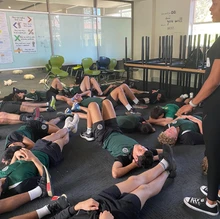
One of the most powerful things we can do is provide young people with safe spaces to talk about their struggles. In our training programs, we consistently hear young participants say they feel comfortable opening up about what’s really happening in their lives.
The pubescent years are a rollercoaster—emotionally, socially, and physically. With the fast-paced demands of modern life, young people can easily become overwhelmed. By creating an environment where they feel heard and supported, we give them the tools to manage their emotions, reduce stress, and build resilience.
The Power of Practical Training: Street Smart Safety & Wellbeing Classes
To bridge the gap between knowledge and action, we developed the Street Smart Safety & Wellbeing Classes and other mental health and communication programs tailored to young people.
Our goal? To make these skills real, relatable, and usable in everyday situations. We teach young people how to respond in first aid emergencies—without needing a first aid kit on hand.
– Life skills in First Aid Management, using everyday items such as a shirt or sock
– Learn how to identify, support and assist someone with Mental Health concerns.
– Learn how to manage their Mental Health
– Strategies to regulate their nervous system, reduce stress response and anxiety.
– Learn self soothing techniques to balance parasympathetic and sympathetic nervous system
– Resilience Strategies
– Visualisation Techniques
This training isn’t about unrealistic textbook scenarios—it’s about what to do when things actually go wrong in real life.

What makes our Street Smart Safety and Wellbeing Program different?
– This program is not about what you ‘should’ or shouldn’t’ do, it teaches them skills and strategies to cope when things do go wrong.
– Small groups for maximum engagement
– Fun, engaging and hands on delivery, students will experience using different techniques.
– 50 – 90 minute program adapted to suit your class timetable
– Accredited and non accredited courses available.
– Program can be adapted to include topics that are specifically impacting your cohort.
The Growing Crisis in Youth Mental Health
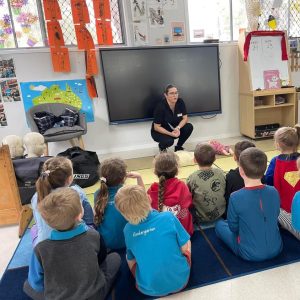
Youth mental health has reached a critical point, today’s young people are facing an unprecedented set of challenges. The long-term effects of the COVID-19 pandemic to the pressures of social media, climate anxiety, and the soaring cost of living. These struggles have deepened in recent years, making it harder for young people to find support when they need it most.
The statistics published by The Australian Psychology Society paints a concerning picture. Suicide remains the leading cause of death for Australians aged 15-24, and nearly 40% of 16–24-year-olds experience a mental health disorder. The Australian Psychological Society (APS) has warned that we are in the middle of a youth mental health crisis, with a sharp rise in young people seeking psychological treatment.
Despite the increasing need for mental health support, many young Australians face financial barriers to accessing professional help. More than a quarter of Australians report that cost prevents them from seeing a psychologist. This lack of access can have devastating long-term effects, leading to more difficulties in adulthood and a loss of potential for young people to lead fulfilling, productive lives.
The Importance of Mental Health Education & Self-Care
Mental health awareness needs to start early. Young people should be equipped with tools to:
– Identify and manage their own mental health
– Recognize when a friend needs support
– Develop coping strategies for stress and anxiety
– Build emotional resilience
– Understand the importance of seeking professional help when needed
Through hands-on learning experiences, we help young people develop skills that will serve them well into adulthood. These lessons don’t just benefit them now they carry forward, shaping how they handle stress, relationships, and life’s challenges in the future.
Taking Action: How You Can Help
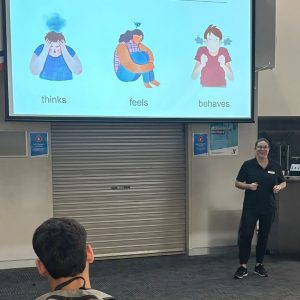
1. Get Informed – Educate yourself on the challenges young people are facing today.
2. Encourage Open Conversations – Make mental health discussions a normal part of life.
3. Support Programs That Make a Difference – Look for courses, workshops, and training that empower young people with practical skills.
4. Advocate for Better Access to Mental Health Services – Support initiatives that make psychological services more accessible and affordable.
5. Be an Ally – Whether you’re a parent, teacher, or mentor, show up and support young people in your life.
We’re Here to Help
We are so passionate about youth mental health that we’re offering our Youth Safety & Wellbeing Program for FREE.—We believe that every young person deserves to feel safe, supported, and prepared for life’s challenges.
Let’s work together to empower the next generation with the knowledge, confidence, and resilience they need to thrive. Contact us today to find out how we can bring this training to your school, workplace, or community.
Relevant Articles:
Youth Suicide – Let’s Talk Prevention