
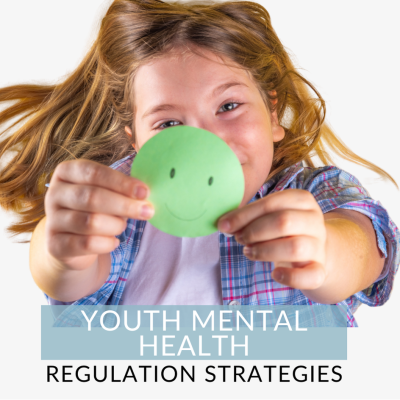
12 Effective Self Regulation Strategies for Children: Simple Techniques to Promote Calm and Focus
Help children find calm with these fun, simple techniques to regulate their nervous systems. From deep breathing to playful movements, each activity promotes relaxation and focus—perfect for guiding kids through big emotions. Download this 12 Self Regulation Strategies for Children Fact Sheet to support their mental health and wellbeing.
Take a Time-In
Spend 5 minutes in a calm, quiet space with the child. Connection is a key component of self regulation
Listening Break
Auditory stimulation such as meditation, soothing music, or an audiobook can help re-focus children’s attention.
Rainbow Breathe
Inhale and raise your arms above your head, painting a rainbow with your fingers! Exhale and return arms to your sides. Deep breathing regulates the vagus nerve..
Smell the Flowers
The scent of lavender can reduce anxiety. Mindfully smell fresh or dried lavender flowers with the child,
focusing on how the smell makes them feel.
Move Like Animals
Invite the child to move like an animal that they would like to feel like, such as a carefree bird or a proud lion. Somatically, this can help them shift their state.
Smiling Contest
See how long you can smile together! Turning a frown upside down can really make you feel happier.
Sing Vowel Sounds
Singing long, open vowel sounds such as “ahh” and “ohh” can balance sympathetic and parasympathetic nervous systems.
Face Painting
Pretend to “paint” the child’s face in imaginary hues with the tip of your finger to provide sensory input.
Freeze Dance
Play upbeat music and instruct the child to freeze every time the music stops. Linking movement to their
senses helps children regulate their bodies and minds.
Cool Down
Offer the child a cool glass of water or a popsicle, or run their wrists under cold water to help their nervous system reset.
Tense and Release
Invite the child to clench their fists as tight as they can, then exhale to release. Repeat with various body
parts to lower cortisol levels and heart rate.
Reflect Together
Fostering a self reflective environment can help children learn to make better self regulation choices in the future.
Download our 12 Self Regulation Strategies for Children poster today, feel free to share!