
Australians are a water-loving nation: Lets talk about water safety
It is our favourite pastime and as the sun begins to sizzle for summer, we are heading to the nearest source of water to cool off. Let’s talk about Drowning Down Under and why Australians need to be more aware about water safety!
Would you know what to do to save a life?
Whilst drowning occurs during all seasons, 45% occur during the summer, with most occurring in the December and January months.
Fact:
81% of the people who drowned in 2019 were males and the largest percentage of drownings occurred in Queensland and New South Wales.
Fact:
Did you know that 276 people lost their lives to drowning in 2019!
That’s some scary stats!
- 29% lost their life in a river/creek or stream
- 26% lost their life at a beach
- 11% lost their life in a pool
(Stats sourced from Royal Life Saving National Drowning Report – 2019)
What do you need to know about Drowning Down Under?
If it isn’t shocking enough that 276 people lost their life, add to that the number of non-fatal drownings – that’s 584 people who have been hospitalised from a near death experience as a result of inadequate attention to water safety. Survivors of near drownings often have life long health problems.
Children’s water safety is a extremely important. A child coming up coughing and spluttering could potentially have taken in enough water to cause inflammation of the lungs and still continue to drown.
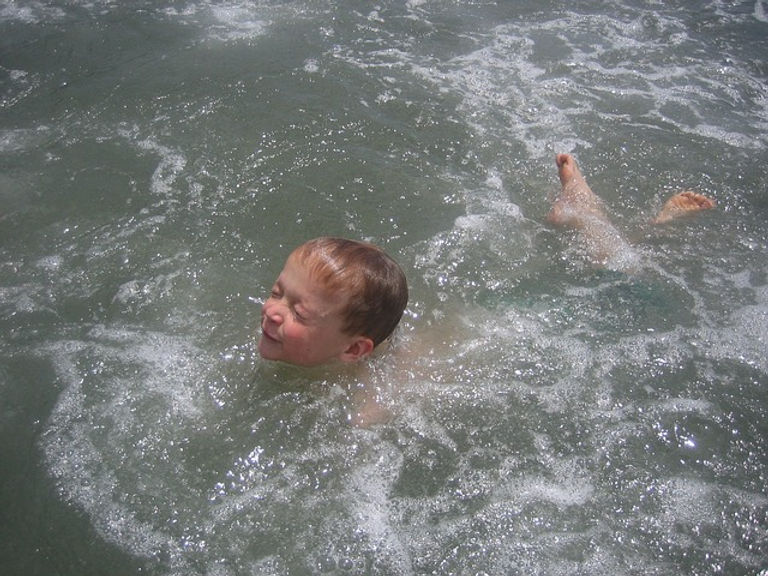
If someone is coughing a lot, feels excessively tired or is having trouble breathing, seek medical attention immediately.
Australians have become conscious of water safety with pools. Every back yard pool must be fenced to meet strict pool safety standards. This includes even a little inflatable pool or spa, or owners can face hefty fines or worse, the risk of someone losing their life.
Most children learn to swim at primary school as part of the curriculum, but as parents we need to teach our children water safety. We all know to swim between the flags at the beach and wear life jackets while boating.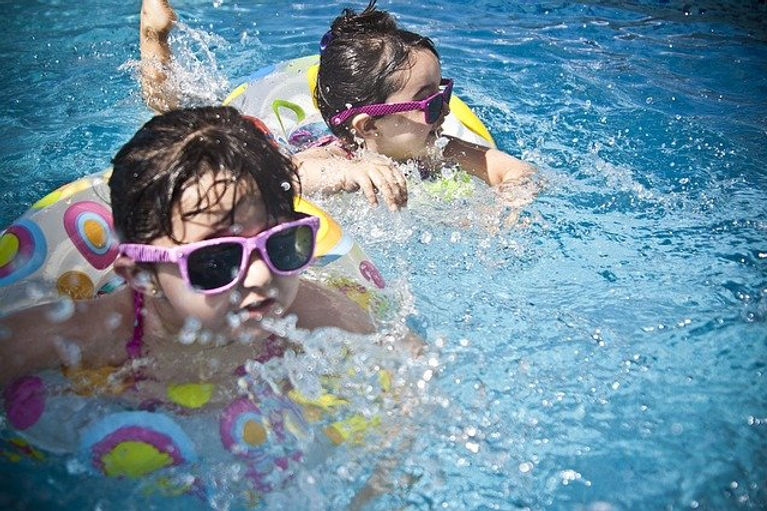
What about the huge expanse of waterways in Australia with rivers sprawling 600,000 km? Lurking below the surface of the peaceful river can lie a treacherous landscape.
Remember 29% lose their life in a river, creek or stream.
Be aware and stay safe
Always supervise your children and make sure when recreating by a waterway that they have life jackets on at all times.
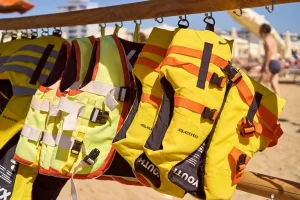
Submerged trees, branches and rocks are often hidden under the water and can cause head and/or spinal injury.
Never dive into inland waterways.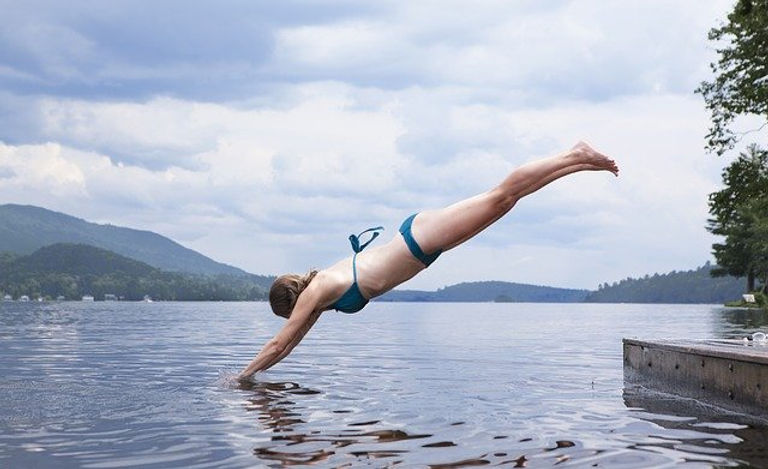
Currents are unpredictable and can change often without any warning.
Never swim alone and have a safety plan worked out.
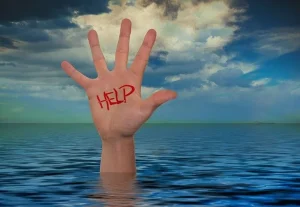
Water temperature can be extreme and variable and dramatic body temperature drop can cause hypothermia.
River beds may crumble or can be uneven or slippery contributing to accidental falls into the water.
Alcohol increases the risk of drowning, so wait until you’re on high dry ground before festivities.

Storms and heavy rainfall can change the flow and depth of waterways dramatically
Be aware of local flora and fauna, stinging nettles, snakes and always carry a first aid kit.
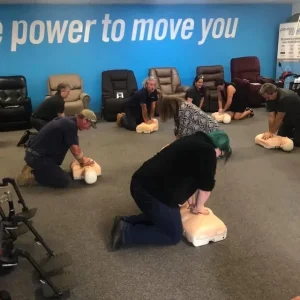
Learn CPR if you are planning activities around waterways.
Keep an eye on your four legged friends too.
All pool owners or those with properties with dams and waterways should take proactive action and learn life saving CPR skills.
Kids can disappear in a blink of an eye. You won’t hear the sounds…. someone drowning makes very little noise 🙁
Do what you can to be better prepared for water safety and save a life.

Book a First Aid and CPR course today!