
Men’s Health: It’s time to encourage men to focus on their wellbeing
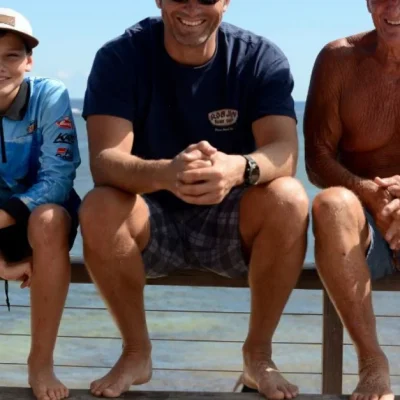
We tend to think of our Aussie men as being invincible, tough, a bit of a larrikin at times, fun-loving and super-chilled!
Let’s have a heart to heart then about the wonderful men and boys in our life!

Our fun-loving, carefree Aussie men – we often think of them as being invincible!
What we know, is that they enjoy better health and have a longer life expectancy than their counterparts in most other countries in the world.
That’s great news – RIGHT?
Whilst this is encouraging for our Aussie males, they still have a shorter life expectancy than women in Australia and sadly we are still seeing men pass away from preventable causes.
Let’s repeat that – preventable causes! Clearly, something is amiss.
Why is that? How can we all help to change this?
It can be contributed to a number of factors and we are going to explore this a bit more. Lifestyle does influence and have impact to overall health.
Think about the men in your life, Do they:
- Have an active lifestyle? What does their physical activity look like?
- Have a healthy work life balance?
- Follow a well-balanced diet?
- Maintain a healthy weight?
- Take recreational drugs/illicit substances?
- Smoke tobacco/use vapes? What age are young boys starting to vape?
- Consume alcohol on a regular basis/consume excessive alcohol?

Are the men in your life following a healthy eating regime? Do they maintain a healthy weight range?
One that is often not factored:
- What is their occupation? A high stress environment? Exposed to violence?
Some males are simply more disadvantaged than others and places them at greater risk for poorer health outcomes – perhaps homeless or without a job.
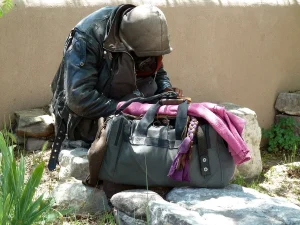
Disadvantaged men are experiencing poorer health outcomes. We are seeing a significant rise in homelessness across Australia
All these factors will play a role in the overall health and well-being of our men and boys.
Australian Health has introduced a National Men’s Health Strategy (2020 – 2030) to focus on identifying men’s health problems with one of the objectives being to educating and improving men’s health and well-being.
The five priority issues identified are:
- Mental health;
- Chronic conditions;
- Sexual and reproductive health and conditions where men are over-represented
- Injuries and risk taking; and
- Healthy ageing.
(Source: National Men’s Health Strategy 2020-2030)
The Men’s Health Strategy advocates for a life-course approach in tailoring interventions to engage and support Australia’s diverse men and boys across all stages of their lives.
Did you know?
“Males die from coronary heart disease and lung cancer at twice the rate of females”
“Males are more likely to be diagnosed with bowel cancer, but less likely to participate in bowel cancer screening than females’
(Source: National Men’s Health Strategy 2020-2030)
The average Australian is living longer; however, it does not necessarily mean that this equates to leading a ‘quality life’.

Whilst men are living longer, this does necessarily equate to leading a quality life.
As an ageing nation, the focus is turning to:
- healthy ageing,
- encompassing physical activity,
- healthy lifestyle, work life balance and
- social engagements
Each one of these bringing different benefits to the health and wellbeing of our men. This focus may influence health and wellbeing in the latter years to reduce the risks.
Are our men heading off to the doctor when needed?

Did you know that ‘disturbingly 72% of males don’t seek help for mental-ill health’. We need to help guide a change to this pattern.
Visits to the GP has improved over time, however:
There is a prevailing concern, about the content and context of men’s interactions with the health system. When men access a health professional it is often for shorter consultations, and typically when a condition or illness is advanced.
Any delay in help-seeking, reduces the opportunity for early diagnosis and intervention, which can dramatically affect long-term outcomes for diseases such as cancer, chronic conditions, and for mental health conditions.
Disturbingly, 72% of males don’t seek help for mental ill-health.
Did you know?
“Almost 1 in 4 males aged 16 -24 years have experienced symptoms of a mental disorder”
As a community or family member we can help to guide, ‘to empower and support men and boys to optimise their own and each other’s health and wellbeing‘.
Here are 4 practical tips to put the spotlight on the health of our men and boys :
Encourage men/boys to practice self care.
This may not be a concept or thought that comes to mind for men or boys as often there is the stereotype to be brave, to be the hero and show no signs of weakness or vulnerability. This leaves little room to be taking care of oneself, however their health and well-being needs to be a priority. A mind shift to a newer concept to practice self-care.
Self-care is not selfish.
Be on the lookout for the early signs
In every way, check the signs:
- Physical signs might be evident – gaining weight, breathlessness, lethargy, fatigue, insomnia.
- Look beyond the physical, look to emotional health for clues : social isolation, substance abuse, mood swings, taking days off work, to name a few.

Look for the tell-tale early warning signs. Burnout is a sign of stress. Prolonged stress can lead to both poor physical and mental health outcomes.
Encourage conversation:
Sounds simple, however may be harder for men to open up, to show vulnerability. They need to feel safe to be heard. Encourage open dialogue and clear, connected communication. We are looking for engaging, meaningful conversation. It could be as simple as getting started with – ‘Are you okay? and put the listening ears on to really ‘hear’.
Learn First Aid:
First Aid is about saving lives. If you haven’t learned First Aid or brushed up on your life-saving skills, time to book yourself into a course! Whilst responding to an emergency or first aid incident isn’t in the preventative space, it is certainly about saving lives. Would you be surprised to know that 95% of the time you are required to perform CPR, it will be on someone you know or someone you love!
The top 10 causes of death in males are: coronary heart disease, lung cancer, cerebrovascular disease, COPD, prostate cancer, bowel cancer, diabetes, lymph/blood cancer and suicide”
How are you going to help make a difference?
It’s time to put the spotlight on Men’s Health! Together we can make a change for the betterment of the health of our Aussie men and boys.
Reach out if you would like F.A.S.T. First Aid Training to help with facilitating men’s/boys communication and well-being programs. We are here to help.
Reference has been made to the Australian Health Men’s Health Strategy and permission to use the material has been sought under the Creative Commons Attribution 4.0
International Public License; Based on Commonwealth of Australia (Department of Health) material from the National Australian Men’s Health Strategy 2020 – 2030.
Resources that may interest you:
The Hidden Cost of Workplace Bullying